Paranormal Phenomena
Paranormal phenomena encompass experiences that exist beyond the boundaries of conventional scientific explanation. From unexplained sounds in empty rooms to vivid precognitive dreams, from telepathic connections between loved ones to encounters with entities from other realms, these experiences touch millions of lives worldwide. Yet despite their prevalence, paranormal phenomena remain shrouded in mystery, skepticism, and misconception.
Understanding paranormal phenomena requires more than casual curiosity—it demands a balanced approach that honors both experiential wisdom and critical thinking. This exploration examines the major categories of paranormal experience, from psychic development and spirit communication to scientific investigation methods. Whether you’re experiencing unexplained events yourself, developing your intuitive abilities, or simply seeking to understand these mysterious occurrences, this comprehensive overview provides the foundation for deeper exploration.
Understanding Psychic Blockages and Inner Obstacles
Before developing any paranormal ability, practitioners must address the internal barriers that prevent clear perception. These blockages often manifest as fear, doubt, or unresolved psychological patterns that distort psychic information.
Shadow Work and Psychic Clarity
Shadow work—the practice of examining rejected or hidden aspects of the psyche—forms the foundation of authentic psychic development. Unexamined fears and traumas create energetic static that interferes with extrasensory perception. For example, someone with childhood abandonment issues might misinterpret a neutral spirit presence as threatening, or project their anxiety onto ambiguous psychic impressions.
The process requires honest self-examination through practices like dream analysis, journaling, and meditation. Dreams frequently reveal blockages through recurring symbols: locked doors might represent closed psychic channels, while murky water often symbolizes emotional confusion clouding intuitive abilities.
External Entities Versus Internal Projections
One of the most critical discernment skills involves distinguishing between genuine external paranormal contact and internal psychological projections. A common protection error occurs when practitioners attribute all unsettling experiences to malevolent entities, when many actually originate from their own unintegrated shadow material.
This distinction requires brutal self-honesty and often benefits from guidance by experienced practitioners who can provide objective perspective on whether an experience reflects external contact or internal psychological dynamics.
Paranormal Investigation Fundamentals
Investigating unexplained phenomena combines observational skills, technical knowledge, and an understanding of how different types of hauntings manifest. Modern paranormal investigation has evolved from purely anecdotal reports to structured methodologies that attempt to document and classify experiences.
Residual Versus Intelligent Hauntings
Understanding this fundamental distinction prevents misinterpretation of evidence. Residual hauntings function like energetic recordings—repetitive phenomena occurring at specific times or locations without awareness or interaction. Think of them as temporal echoes, replaying past events without consciousness.
Intelligent hauntings, conversely, demonstrate awareness and responsiveness. Entities may answer questions, move objects in response to requests, or alter behavior based on investigator actions. This distinction profoundly affects investigation approach and interpretation of collected evidence.
Evidence Collection and Common Pitfalls
Recording electronic voice phenomena (EVP) and analyzing photographic anomalies require technical understanding to avoid false positives. The classic orb versus dust debate illustrates this perfectly: while genuine orbs reportedly demonstrate purposeful movement and internal structure, the overwhelming majority of orb photographs simply capture airborne particles reflecting camera flash.
Provocation techniques—deliberately attempting to anger or challenge entities—carry significant risks. Beyond potential spiritual dangers, provocation can compromise investigator objectivity and lead to psychological self-fulfilling prophecies where heightened anxiety creates misperceptions.
Scientific Approaches to Psi Phenomena
The scientific study of psychic abilities, collectively termed psi phenomena, attempts to bring rigorous methodology to experiences traditionally considered unmeasurable. This field walks a delicate line between open-minded inquiry and skeptical rigor.
The Observer Effect in Psychic Research
Quantum physics reveals that observation itself influences outcomes at subatomic levels—a principle with fascinating implications for psi research. Some theories suggest consciousness directly affects probability fields, potentially explaining psychokinetic phenomena. However, this same principle complicates experimental design, as the experimenter’s expectations may influence results.
Home testing of extrasensory perception (ESP) provides accessible entry into this field. Simple exercises include card guessing protocols, remote viewing practice, and telepathy experiments with willing partners. Rigorous record-keeping separates genuine statistical anomalies from confirmation bias—the tendency to remember hits while forgetting misses.
Telekinesis and Psychokinesis Distinctions
Though often used interchangeably, these terms technically differ. Telekinesis specifically refers to moving objects at a distance, while psychokinesis encompasses broader mind-matter interactions including influencing electronic devices, affecting random number generators, or altering biological systems.
Optimizing experimental results requires addressing psychological variables: relaxation enhances performance while anxiety inhibits it. Many successful practitioners report a state of detached intention—caring about results undermines success, while completely releasing attachment paradoxically improves outcomes.
Recognizing and Developing Spirit Communication
Spirit presence manifests through various physical and sensory signs, ranging from subtle to dramatic. Developing the ability to recognize and interpret these signs forms the foundation of mediumistic practice.
Physical Manifestations of Spirit Presence
Common physical signs include:
- Temperature fluctuations without environmental cause, often experienced as sudden cold spots
- Unexplained sounds such as footsteps, knocking, or voices when no physical source exists
- Electrical disturbances affecting lights, appliances, or electronic devices
- Movement of objects with no apparent physical force
- Distinctive scents associated with deceased individuals, appearing without source
Historical theories about ectoplasm—a supposed physical substance produced during séances—largely fell out of favor as photographic technology improved and revealed fraudulent production methods. However, some researchers continue exploring whether consciousness can create temporary physical effects under specific conditions.
Developing Clairsentience and Energetic Sensitivity
Clairsentience—clear feeling—represents one of the most common yet underappreciated psychic abilities. Unlike the dramatic imagery of clairvoyance, clairsentience manifests through bodily sensations, emotions, and intuitive knowing. Many people possess natural clairsentient abilities without recognizing them as psychic perception.
Development begins with distinguishing mental versus physical mediumship. Mental mediumship receives information internally through thoughts, feelings, and impressions. Physical mediumship produces external, observable phenomena like object movement or materialization. Most modern practitioners focus on mental mediumship, which requires less dramatic energetic conditions.
The energy drain phenomenon poses a genuine challenge for developing mediums. Spirit communication requires significant energetic output, often leaving practitioners exhausted. Proper energetic boundaries, grounding practices, and understanding optimal timing for contact help prevent depletion while maintaining clear communication channels.
Telepathy and Mind-to-Mind Connection
Telepathy—direct mind-to-mind communication without sensory channels—represents perhaps the most studied paranormal ability. While laboratory results remain controversial, countless anecdotal accounts describe spontaneous telepathic experiences between emotionally connected individuals.
Training Protocols and Practice Methods
Structured telepathy training typically employs the sender-receiver protocol. One person (sender) concentrates on transmitting specific information—images, colors, or emotions—while another (receiver) attempts to perceive the transmission. Success requires both parties to develop complementary skills: senders cultivate focused intention while receivers practice receptive awareness.
Recent quantum entanglement theories provide intriguing potential mechanisms for telepathy. If consciousness operates partially at quantum levels, entangled particles between individuals might facilitate information transfer beyond classical communication limits. While speculative, such theories offer frameworks for understanding seemingly impossible phenomena.
Common Errors and Optimization Strategies
The primary distinction practitioners must understand separates empathy from telepathy. Empathy involves sensing emotional states through subtle behavioral cues and mirror neurons—a natural neurological process. True telepathy receives specific information unavailable through sensory channels.
Projection errors occur when senders unconsciously transmit their own thoughts and expectations rather than intended targets. Similarly, receivers may project their assumptions onto ambiguous impressions. Optimizing telepathic signals requires both parties to cultivate detached awareness, clear intention, and patient practice while maintaining detailed records to track genuine progress.
Déjà Vu and Temporal Anomalies
Déjà vu—the uncanny sensation of having previously experienced a novel situation—affects approximately two-thirds of people. While neuroscience offers explanations involving memory processing glitches, some theories propose more mysterious origins.
Pre-Birth Planning and Prophetic Memory
Pre-birth planning theory suggests souls outline key life experiences before incarnation, with déjà vu representing moments when current experience aligns with pre-planned events. This creates recognition without accessible memory of when prior knowledge was acquired.
Distinguishing prophecy from memory confusion requires careful analysis. Journaling triggers—recording circumstances surrounding déjà vu experiences—reveals patterns. Some individuals notice déjà vu concentrates around significant life transitions or decisions, potentially supporting theories of predetermined soul contracts or timeline navigation.
Medical Considerations and Optimization
Responsible exploration of temporal anomalies acknowledges medical causes. Certain neurological conditions, particularly temporal lobe epilepsy, produce intense déjà vu experiences. Sudden increases in frequency or intensity warrant medical evaluation to rule out underlying conditions.
For those exploring déjà vu as potential paranormal phenomenon, optimizing recall involves immediate documentation. The sensation typically fades within seconds, taking specific details with it. Keeping a dedicated journal and recording immediately upon experiencing déjà vu preserves details that might reveal meaningful patterns over time.
Spiritism and Mediumship Practices
Spiritism represents a codified philosophical and practical system for communicating with spirits of the deceased. Distinguished from broader spiritualist movements, Spiritism follows specific doctrines regarding reincarnation, spiritual evolution, and ethical spirit communication.
Spiritism Versus Spiritualism
Though related, these traditions differ significantly. Spiritualism emerged primarily in English-speaking countries, emphasizing spirit communication and survival after death but remaining philosophically flexible. Spiritism, codified through specific texts, presents a comprehensive cosmology including reincarnation necessity—the concept that souls require multiple incarnations for spiritual advancement.
Home practice within Spiritist tradition emphasizes charity, moral development, and using mediumistic abilities for healing and education rather than personal gain. This ethical framework attempts to prevent spiritual obsession—unhealthy attachment between incarnate individuals and discarnate entities seeking to influence the living.
Safety Considerations and Ethical Practice
The obsession danger represents a serious consideration in spirit communication. Traditional teachings warn against casual dabbling, emphasizing that communication should occur within structured, protected contexts with clear spiritual intention. Opening channels without proper training and protection may invite attachments that prove difficult to resolve.
Optimizing charity work through mediumship—using abilities to provide comfort, healing, and guidance—aligns practice with service orientation that traditionally offers protection. The principle suggests that self-serving motivation attracts lower-vibration contacts, while sincere desire to serve others attracts benevolent spiritual guidance.
Understanding paranormal phenomena requires balancing open-minded exploration with critical discernment, personal development with technical knowledge, and individual experience with collective wisdom. Whether you’re drawn to investigate unexplained events, develop latent psychic abilities, or simply understand experiences that conventional frameworks cannot explain, approaching these phenomena with respect, patience, and genuine curiosity opens pathways to profound discoveries about consciousness, reality, and the mysteries that exist beyond ordinary perception.

Spiritism Explained: The Doctrine of Spirit Communication
Contrary to the popular belief that it is merely a method for contacting the deceased, Spiritism is a structured philosophical and moral doctrine. Codified by Allan Kardec, its primary purpose is not spectacle but the ethical and intellectual advancement of…
Read more
Deja-Vu Signals: Glitch in the Matrix or Past Life Memory?
Contrary to the common belief that deja-vu is either a simple brain glitch or a passive echo of a past life, this investigation reframes it as something far more dynamic. Consider these moments as active data points from the ‘source…
Read more
Telepathy Training: How to Send Thoughts Effectively?
In summary: Effective telepathy requires mastering distinct Sender and Receiver roles, not just “focusing hard” on a thought. Follow a progressive training protocol: start with pure emotions, advance to sensory data, then shapes, and finally complex thoughts. A key discipline…
Read more
Identifying Mediumship Manifestations: Raps, Cold Spots, and More
Contrary to popular belief, identifying spirit presence isn’t about a checklist of spooky signs but about learning to read a subtle, sensory language. Genuine spirit contact feels different from environmental factors; it has a distinct, localized “energetic signature.” Historical manifestations…
Read more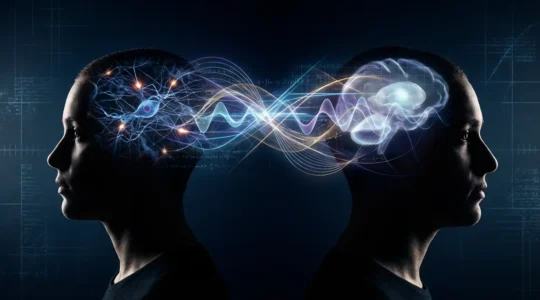
Parapsychology: A Scientific Framework for Psi Phenomena
Contrary to popular belief, parapsychology is not about proving magic, but about methodically detecting small, statistically significant signals of consciousness. Research shows a measurable ‘experimenter effect,’ where a skeptic’s presence can actively suppress psi phenomena in lab settings. Modern studies…
Read more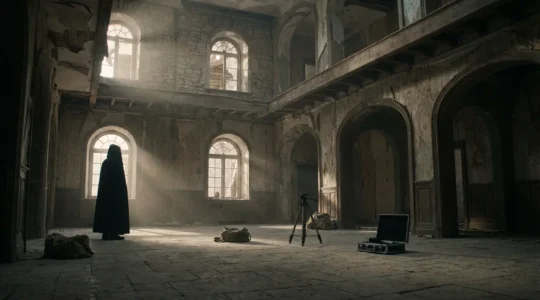
Exploring Unseen Phenomena: An Investigator’s Guide for the Curious Skeptic
In summary: Effective paranormal investigation prioritizes methodical skepticism over expensive equipment and sensationalism. Understanding the difference between repeating “residual” energy and interactive “intelligent” spirits is crucial. Authentic evidence requires rigorously ruling out all mundane explanations, from dust in photos to…
Read more
Is Your Hidden Subconscious Self Blocking Your Psychic Abilities?
Your psychic block isn’t a failure of your ability, but a purposeful signal from your subconscious. Blocks are often self-preservation mechanisms rooted in unresolved fear, trauma, or disowned parts of the self. Astrological placements (like the Sun in the 8th/12th…
Read moreSecrets to Performing Amazing Mind Reading Tricks
It’s been listed the 5 little known secrets behind performing incredible mind reading tricks. 1) You only need to know a maximum of 5 GOOD tricks – The common mistake for a beginner in mind reading and mentalism magic is…
Read moreBest Possible Tips for Mind Reading
People cannot read other people’s minds. However, people want to read other people’s mind. When you are dating someone, you want to read your lover’s mind. Does he or she love you? Will he or she marry you? When you…
Read more