Blog
Astrology and divination have guided humanity through life’s most perplexing questions for millennia. Whether you’re navigating a difficult relationship, trying to understand someone’s true intentions, or simply seeking clarity about your own behavioral patterns, these ancient practices offer a unique lens through which to view modern challenges. Far from being mere superstition, they provide a structured framework for self-reflection and interpersonal understanding.
This comprehensive resource explores the core applications of astrological and divinatory wisdom in everyday life. You’ll discover how tarot cards can illuminate hidden aspects of relationships, how elemental energies shape personality dynamics, and how to distinguish genuine astrological insights from harmful stereotypes. Each section connects timeless spiritual principles with practical, actionable understanding that respects both the mystery of these arts and the importance of ethical practice.
Revealing Hidden Truths in Relationships
One of the most common reasons people turn to divination is the nagging feeling that something remains unspoken in their relationships. Whether it’s a family secret that shapes behavior patterns or an unaddressed issue between partners, these hidden elements create an energetic vibration of secrecy that sensitive individuals can often detect without concrete evidence.
When to Seek Hidden Knowledge
The decision to uncover secrets carries significant weight. Not all hidden information serves our wellbeing when revealed. Before pursuing hidden truths, consider whether the knowledge will genuinely help you make better decisions or simply satisfy curiosity. Think of it like opening a sealed envelope—once read, the contents cannot be unknown. Divination tools can help you assess whether the timing is appropriate for such revelations, examining factors like emotional readiness and the potential for constructive change.
Conversation Versus Observation
Two primary approaches exist for uncovering relationship truths: direct confrontation and careful observation. Confrontation techniques involve asking pointed questions and creating space for honest dialogue, while observational methods rely on noticing behavioral patterns, card readings, and energetic shifts. Each approach has its place. Direct conversation honors transparency and can strengthen trust, while observation protects you from premature accusations and allows patterns to reveal themselves naturally.
Timing Difficult Revelations
Astrological timing plays a crucial role in sensitive conversations. Mercury retrograde periods, for instance, often muddy communication and increase misunderstandings. Conversely, when the Moon transits through water signs like Cancer or Pisces, emotional receptivity increases, creating fertile ground for vulnerable discussions. The key is aligning your approach with both cosmic timing and personal readiness, ensuring that difficult truths can be received and processed constructively.
Desire and Chemistry Through Divination Cards
Sexual chemistry and romantic attraction carry their own energetic signatures that skilled readers can detect through tarot and oracle cards. This dimension of divination requires particular sensitivity, as it touches upon privacy and consent in ways that demand ethical consideration. Yet when approached respectfully, card readings can illuminate blockages, unexpressed desires, and the distinction between fleeting lust and sustainable love.
The Ace of Wands and Sexual Energy
The Ace of Wands stands as the primary symbol of raw creative and sexual energy in tarot. Picture a hand emerging from clouds, gripping a sprouting wooden staff—this represents pure potential and primal force. When this card appears in relationship readings, it signals intense attraction, new passion, or the awakening of dormant desire. However, aces represent beginnings, not sustainability. They show the spark, not the lasting flame, which is why understanding the surrounding cards becomes essential for accurate interpretation.
Reading Lust Versus Love
Distinguishing between temporary attraction and deeper connection through cards requires examining entire spreads rather than isolated symbols. Lust typically manifests through:
- Wands cards emphasizing passion and immediacy
- Physical-focused court cards (Knights particularly)
- Absence of Cups cards indicating emotional depth
- Seven of Swords or other cards suggesting hidden motives
Love, by contrast, shows up through Cups cards combined with stable Pentacles, Two of Cups partnerships, Temperance indicating balance, and major arcana cards like The Lovers or The Empress suggesting profound connection beyond physical attraction.
Privacy and Ethical Boundaries
Perhaps the most critical consideration when exploring intimacy through divination is consent. Reading about someone’s sexual feelings or intentions without their knowledge raises serious ethical questions. Responsible practitioners focus readings on the querent’s own feelings, blockages, and choices rather than attempting to uncover another person’s private thoughts. Your cards are tools for self-knowledge and empowerment, not surveillance devices for invading others’ intimate psychological space.
Elemental Energies and Behavioral Patterns
Astrology organizes the twelve zodiac signs into four elemental categories: Fire (Aries, Leo, Sagittarius), Earth (Taurus, Virgo, Capricorn), Air (Gemini, Libra, Aquarius), and Water (Cancer, Scorpio, Pisces). Understanding these elemental dynamics provides a sophisticated framework for analyzing compatibility, predicting conflict points, and appreciating different behavioral styles. Think of elements as fundamental operating systems that determine how someone processes experiences and expresses themselves.
Fire and Water Dynamics
Fire and Water create perhaps the most dramatic elemental interaction. Fire signs approach life with enthusiasm, directness, and action-oriented energy. They want to move, create, and express themselves boldly. Water signs, conversely, operate through emotion, intuition, and deep feeling. They need time to process, space to retreat, and emotional safety to flourish.
When these elements interact, Fire can either warm Water (creating productive steam, passion, and mutual inspiration) or boil it away (through insensitivity and overwhelming intensity). Water can either cool Fire constructively (providing emotional depth and preventing burnout) or extinguish it entirely (through emotional demands and dampening enthusiasm). Successful Fire-Water relationships require conscious awareness of these tendencies and mutual respect for different processing speeds.
Earth and Air Balance
Earth and Air represent a meeting between practical reality and abstract thought. Earth signs focus on tangible results, financial security, and physical manifestation. They ask “What concrete steps must we take?” Air signs prioritize ideas, communication, and intellectual connection. They ask “What does this mean theoretically?”
This combination often produces complementary partnerships where Air provides vision and Earth provides implementation. However, conflicts emerge when Earth perceives Air as impractical and disconnected from reality, while Air views Earth as rigid and unimaginative. The key to balance lies in recognizing that ideas need grounding (Earth) and plans need vision (Air)—neither alone creates complete success.
Same Versus Opposite Elements
Conventional wisdom suggests same-element pairings create natural harmony, and this often holds true. Two Fire signs understand each other’s need for independence and excitement. Two Water signs naturally attune to emotional undercurrents without explanation. However, same-element relationships can also amplify weaknesses—two Fire signs may burn out quickly, while two Earth signs might become stagnant.
Opposite elements (Fire-Air versus Earth-Water) create natural complementarity. Fire and Air feed each other—Air fans Fire’s flames while Fire gives Air’s ideas warmth and urgency. Earth and Water nourish mutually—Water helps Earth’s seeds grow while Earth gives Water’s emotions form and containment. These combinations require more conscious effort but often produce dynamic growth through difference.
Zodiac Stereotypes: Myths and Realities
Astrology’s popularity has spawned countless stereotypes that range from mildly inaccurate to actively harmful. While zodiac signs do describe genuine archetypal patterns, reducing complex individuals to simplistic labels undermines the sophisticated wisdom these systems offer. Understanding where stereotypes come from—and where they diverge from reality—allows you to use astrological knowledge ethically and accurately.
Common Misconceptions Examined
The “two-faced Gemini” stereotype represents one of astrology’s most persistent myths. Gemini’s symbol of the Twins refers to this sign’s capacity to hold multiple perspectives simultaneously and adapt communication styles to different contexts. This intellectual flexibility often gets misinterpreted as dishonesty or manipulation. In reality, Gemini’s gift lies in seeing situations from various angles and translating between different worldviews—a skill that requires mental agility, not deception.
Similarly, Scorpio’s reputation for intense, obsessive, or even dangerous behavior exaggerates real traits into caricature. Scorpios do experience emotions with remarkable depth and possess strong investigative instincts. However, the Scorpio intensity reality manifests as passionate commitment, psychological insight, and transformative power far more often than the jealous, vengeful stereotype suggests. Every sign contains both evolved and unevolved expressions.
The Danger of Generalization
Perhaps the most significant error in popular astrology is treating Sun sign alone as definitive. Your Sun sign represents your core identity and life purpose, but a complete astrological profile includes:
- Moon sign (emotional nature and instinctive responses)
- Rising sign or Ascendant (outward presentation and approach to life)
- Venus placement (love style and values)
- Mars placement (action style and desire expression)
- Mercury placement (communication and thinking patterns)
Someone with Sun in adaptable Gemini but Moon in stubborn Taurus will express very differently than a Gemini with Moon in impulsive Aries. The supposed stubbornness of Taurus versus Leo, for instance, manifests differently—Taurus stubbornness roots in resistance to unnecessary change and desire for stability, while Leo’s fixed quality emerges as commitment to personal vision and pride. Context and complete chart analysis matter immensely.
Seasonal Influences and Timing
One often-overlooked reality is how zodiac energies shift with seasons and personal transits. The characteristics associated with each sign connect to their seasonal timing. Aries’ initiating energy corresponds to spring’s beginning, while Scorpio’s depth and transformation align with autumn’s decay and regeneration. Understanding these seasonal archetypal connections helps explain why certain signs express particular qualities.
Additionally, everyone experiences all twelve signs activating different life areas through their birth chart houses. Current transits activate different signs for everyone simultaneously, meaning we all access Scorpio intensity during Scorpio season, Gemini curiosity during Gemini season, and so forth. This cyclical activation prevents astrology from being a rigid categorization system and instead reveals it as a dynamic, ever-shifting energetic map.
Astrology and divination offer profound tools for self-understanding and navigating relationships when approached with discernment, ethics, and nuance. The practices discussed here—from uncovering hidden truths responsibly to understanding elemental compatibility to moving beyond simplistic stereotypes—all require balancing intuitive wisdom with critical thinking. As you deepen your exploration of these subjects, remember that the goal is empowerment and clarity, not prediction or control. Each card drawn and each chart cast invites you to participate more consciously in your own unfolding story.
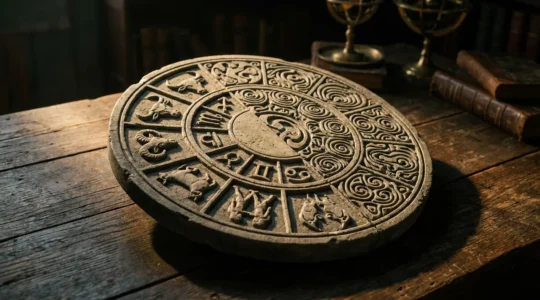
Astrological Sign Stereotypes: What is True and What is Myth?
Zodiac stereotypes aren’t character flaws; they’re misunderstood energetic tools for personal growth. This article reveals the core archetypal function behind common astrological clichés, moving beyond simple labels. It provides a framework to look beyond the Sun sign and understand the…
Read more
Analyzing Interpersonal and Romantic Dynamics Through the Elements
Clashing with certain personalities often feels inevitable, but it’s typically a misunderstanding of core elemental energies. This guide moves beyond simple compatibility to show you how to use elemental astrology as a diagnostic tool. By identifying the fundamental needs of…
Read more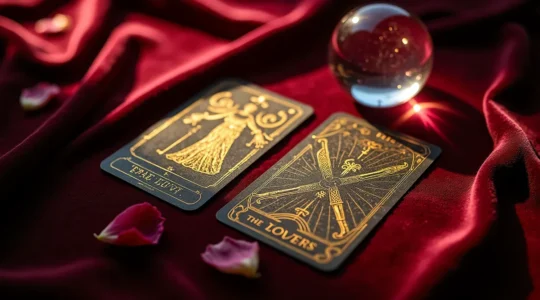
Tarot of Desire: Revealing Sexual Chemistry in New Relationships
Forget trying to ‘predict’ sexual compatibility; the real power of Tarot and astrology is in decoding the *quality* and *nature* of the desire you already feel. Tarot cards like The Devil and The Lovers don’t represent ‘good’ or ‘bad’ lust,…
Read more
How to Uncover Hidden Truths in a Relationship Without Spying?
True clarity in a relationship doesn’t come from violating privacy, but from learning to read the energetic and symbolic language that never lies. Secrets and lies create tangible energy shifts in your shared home and personal aura that can be…
Read more