
Clashing with certain personalities often feels inevitable, but it’s typically a misunderstanding of core elemental energies. This guide moves beyond simple compatibility to show you how to use elemental astrology as a diagnostic tool. By identifying the fundamental needs of Fire, Water, Air, and Earth in yourself and your partner, you can understand the mechanics behind friction and learn to create balance and foster intentional growth, turning conflict into connection.
Understanding why we connect deeply with some people and experience constant friction with others is a timeless human quest. In astrology, the four elements—Fire, Earth, Air, and Water—provide a foundational language for decoding these interpersonal dynamics. Too often, this analysis stops at a superficial level: “Fire and Air signs get along,” or “Water and Earth signs are a good match.” This approach misses the profound depth available through elemental analysis.
The real power of the elements lies not in providing a simple compatible/incompatible verdict, but in offering a diagnostic framework. Each element represents a fundamental energetic need and a way of processing the world. When these energies meet, especially in a romantic partnership, they create a unique and complex system. The friction you feel is not a sign of failure; it is data. It points directly to where needs are being unmet, where communication breaks down, and where the greatest potential for mutual growth resides.
This article will guide you through the mechanics of these elemental interactions. We will move beyond simple labels to explore the core tensions between different energies, how to balance what’s lacking, and how to read your own astrological chart for clues about the dynamics you attract. The goal is to transform your understanding of relationships from a game of chance into a practice of conscious, elemental integration.
To help you navigate these complex but insightful concepts, this article is structured to build your understanding step by step. Below is a summary of the key areas we will explore to decode your own relationship dynamics.
Summary: A Guide to Elemental Relationship Dynamics
- Why Fire and Water Signs Struggle to Find Emotional Safety?
- How to Ground an Air Sign Partner Without Stifling Them?
- Same Element or Opposite: Which Dynamic Promotes Growth?
- The Risk of Dismissing a Partner Based on Elemental Lack
- When Do Progressed Moons Shift the Elemental Dynamic?
- Wood, Metal, or Crystal: Which Material is Best for Beginners?
- Why Your 7th House Ruler Defines Your Ideal Partner Traits?
- How to Interpret Synastry for Long-Term Relationship Success?
Why Fire and Water Signs Struggle to Find Emotional Safety?
The interaction between Fire (Aries, Leo, Sagittarius) and Water (Cancer, Scorpio, Pisces) is one of the most volatile and potentially creative dynamics in the zodiac. The core issue is a clash of fundamental needs and responses. Fire seeks action, expression, and freedom, while Water craves emotional depth, security, and bonding. When Fire’s impulsive energy meets Water’s sensitivity, the result can be emotional steam: hurt feelings, misunderstandings, and a sense of being perpetually unsafe. The Water sign may feel their emotional landscape is being boiled away by Fire’s intensity, while the Fire sign can feel doused and stifled by Water’s needs.
This dynamic is not inherently flawed; it simply requires conscious management. Astrological studies observe that Fire and water signs may struggle with balancing emotional intensity and assertiveness. The key is for each partner to understand the other’s operating system. Fire must learn that Water’s emotional reactions are not an attack on their freedom but a need for connection and reassurance. In turn, Water must recognize that Fire’s need for independence and spontaneous action is not a rejection but a core part of their identity.
Building emotional safety here involves creating specific rituals. Fire signs can practice pausing before reacting, giving their Water partner space to express their feelings without immediate defense. Water signs can work on communicating their needs directly, rather than through passive-aggressiveness, which only frustrates a Fire sign. When both elements learn to respect each other’s nature, Fire can warm the Water, and Water can help contain and direct Fire’s powerful energy, creating a passionate and deeply connected bond.
How to Ground an Air Sign Partner Without Stifling Them?
Air signs (Gemini, Libra, Aquarius) operate in the realm of ideas, concepts, and social connections. Their energy is intellectual, communicative, and often scattered. A common challenge in relationships with Air signs is bringing their brilliant ideas into tangible reality without making them feel trapped or controlled. Trying to “tie down” an Air sign with heavy emotional demands or rigid plans is like trying to catch the wind in a jar; it only leads to frustration. The Air sign feels stifled, and their partner feels ignored.
The solution lies in shifting the dynamic from one of restriction to one of supportive anchoring. This concept is beautifully illustrated by the “Anchor and Kite” model, a successful strategy for these relationships.
Case Study: The Anchor and Kite Dynamic
In this dynamic, the Air sign is recognized as the ‘kite,’ free to soar and explore the vast world of ideas. Their partner acts as the ‘anchor,’ but not in a restrictive way. Instead of pulling the kite down, the anchor provides stability by asking clarifying, grounding questions: “That’s a fascinating idea, who would be involved?” or “What would be the first step to make that happen?” This approach validates the Air sign’s intellectual process while gently inviting them to connect their thoughts to the material world. The anchor provides a secure base from which the kite can fly, knowing they have a safe point of return.
This visual metaphor highlights the balance required to successfully ground an Air partner. It’s not about limitation, but about providing a structure that allows their ideas to take flight in a productive way.

As the image suggests, the connection is light, not heavy. Grounding an Air sign is achieved through engaging their intellect with practical curiosity, not by opposing their nature. By becoming a trusted sounding board that helps connect concepts to reality, you don’t stifle their freedom—you give their ideas wings and a place to land.
Same Element or Opposite: Which Dynamic Promotes Growth?
A central question in relationship astrology is whether it’s better to be with someone who is similar (same element) or someone who is different (opposite element). Both dynamics offer unique pathways to growth, but they also come with distinct challenges. There is no single “better” option; the ideal depends on the kind of growth you are seeking.
Signs belonging to the same element tend to get along well and complement each other. Fire signs (Aries, Leo, Sagittarius), for example, share a dynamic and passionate nature, fostering an energetic and adventurous connection.
– Astrology Realm, Medium – Astrological Elements and Relationship Dynamics
Same-element pairings (e.g., Fire with Fire, Earth with Earth) offer a sense of comfort and natural understanding. You operate on the same wavelength, share similar values, and instinctively “get” each other. The risk here is stagnation. Because you are so similar, you may amplify each other’s weaknesses and fail to develop the qualities of the elements you both lack. Growth comes from deepening the shared qualities you already possess.
Opposite-element pairings (Fire with Air, Earth with Water) are inherently dynamic and complementary. Each partner brings what the other lacks, creating a sense of wholeness and balance. An Air sign’s objectivity can balance a Fire sign’s passion, while an Earth sign’s practicality can ground a Water sign’s emotional flow. The challenge is the initial friction and misunderstanding. You must learn a completely different energetic language. Growth here is holistic, achieved through the difficult but rewarding process of integrating a completely different perspective into your own.
The following analysis breaks down these two dynamics to clarify their respective strengths and weaknesses, helping you identify which path you’re on.
| Dynamic Type | Strengths | Challenges | Growth Potential |
|---|---|---|---|
| Same Element Pairs | Natural understanding, shared values, comfort | Risk of stagnation, amplified weaknesses | Growth through deepening shared qualities |
| Opposite Element Pairs | Balance, complementary skills, wholeness | Initial friction, misunderstandings | Holistic growth through integration |
The Risk of Dismissing a Partner Based on Elemental Lack
One of the biggest mistakes in applying elemental astrology is writing off a potential partner because your combined charts show an “elemental lack”—for example, a complete absence of the Earth or Air element between you. This is a limited view. A relationship is not a static entity; it is a living, evolving system. An elemental lack is not a death sentence; it is an invitation to consciously cultivate that missing energy together.
When a relationship lacks Earth, for instance, you might struggle with practicalities, stability, and long-term planning. Instead of seeing this as a fatal flaw, view it as the relationship’s primary task: to learn how to build structure and be grounded together. Similarly, a lack of Water might manifest as difficulty with emotional intimacy and vulnerability. The work of the relationship, then, is to create intentional spaces for emotional expression and connection.
Dismissing a partner based on this perceived lack ignores the fact that the most compatible zodiac signs often share complementary elements rather than identical ones. The “gap” is where the most significant growth occurs. It forces both partners to develop skills and perspectives they wouldn’t have cultivated on their own. This shared project of “importing” a missing element can become a powerful bonding experience. For example, a couple with no Fire can decide to schedule spontaneous adventures, while a couple with no Air can join a book club to stimulate intellectual debate. The key is to see the lack not as an absence, but as a shared assignment.
When Do Progressed Moons Shift the Elemental Dynamic?
A relationship’s elemental dynamic is not fixed at birth. It is a fluid system that evolves over time, and one of the most significant astrological triggers for this evolution is the Progressed Moon. In predictive astrology, the Progressed Moon moves through a new zodiac sign approximately every 2.5 years. As it changes signs, it also changes elements, fundamentally altering a person’s core emotional needs and responses during that period.
This shift can explain why a couple that was perfectly harmonious for years suddenly begins to experience friction. The underlying elemental contract of the relationship has changed. What one partner needed for emotional satisfaction two years ago may be completely different from what they need today. This is not a sign of falling out of love; it is a signal that the relationship needs to adapt to a new emotional landscape.
Case Study: A Sudden Shift from Earth to Air
Consider a couple where Partner A’s Progressed Moon moves from stable, earthy Taurus into curious, airy Gemini. For the past two and a half years, Partner A found comfort in routine, physical touch, and quiet nights at home (Taurus). Suddenly, they have an insatiable craving for social interaction, learning, and constant communication (Gemini). Their partner, Partner B, whose own Progressed Moon might be in a homely Water sign like Cancer, may be bewildered by this sudden change. The quiet stability they once shared is now disrupted by a need for intellectual stimulation, leading to unexpected tension.
This progression is a natural cycle of emotional evolution. Understanding where your and your partner’s Progressed Moons are can provide incredible insight into the current phase of your relationship.
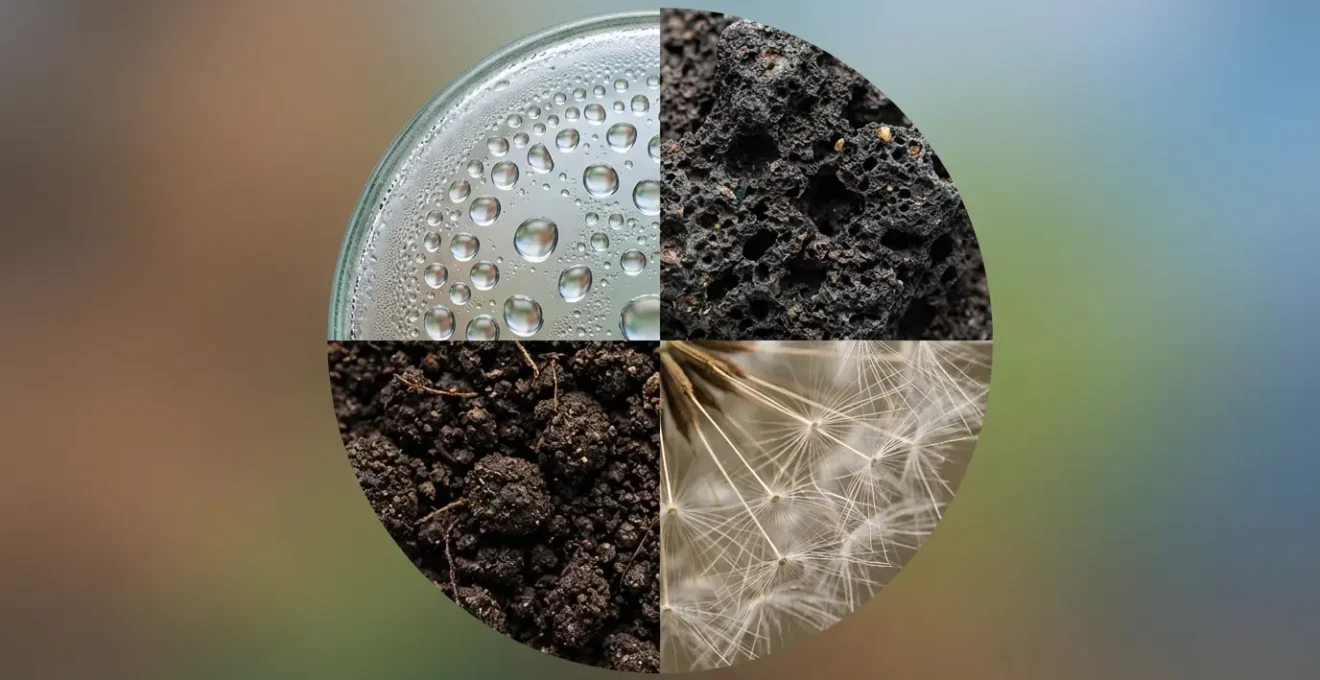
Like the changing textures in this image, our emotional needs cycle through different elemental phases. Acknowledging these shifts allows a couple to consciously adapt their dynamic. The partner moving into an Air phase needs more conversation and social time, while the one in a Water phase needs reassurance that emotional connection isn’t being lost. Tracking the Progressed Moon’s element is an advanced but powerful tool for navigating long-term relationship evolution.
Wood, Metal, or Crystal: Which Material is Best for Beginners?
Once you have diagnosed the elemental dynamics in your relationship, you can begin to work with them consciously. Beyond behavioral changes, incorporating physical materials associated with the elements can be a powerful way to anchor your intentions and balance the energy in your shared environment. For beginners, choosing the right material—Wood, Metal, or Crystal—depends on the specific elemental energy you wish to cultivate.
These materials are not just decorative; they are energetic tools. Wood, often connected to the Fire and Air elements through its association with growth and life, is excellent for stimulating creativity, action, and expansive energy. Metal, with its connection to Air and Earth, promotes mental clarity, focus, and the ability to set firm boundaries. Crystals are the most versatile, as they come in varieties that connect to all four elements. They are primarily seen as amplifiers and transformers of energy, connected to the receptive and healing nature of Water.
The choice of material should be directly linked to the elemental lack or imbalance you’ve identified in your relationship. A partnership low on Fire energy could benefit from wood elements to inspire action, while one struggling with clear communication (Air) might use metal objects to foster discernment. The following guide, based on an elemental astrology analysis, provides a starting point for selecting a material to enhance your relationship.
| Material | Element Connection | Best For | Energy Type |
|---|---|---|---|
| Wood | Fire/Air (growth, creativity) | Channeling action and creativity | Expansive, warming |
| Metal | Air/Earth (focus, discernment) | Mental clarity and boundaries | Contractive, cooling |
| Crystal | Water/All Elements | Amplifying and healing energy | Receptive, transformative |
For those drawn to crystals, you can be even more specific. For example, using Carnelian can help boost lacking Fire, while Moonstone can enhance the Water element for greater emotional depth. The most important step for a beginner is to hold each type of material and notice the subtle sensations it evokes—is it activating, calming, clarifying, or stabilizing? Trust your intuition to guide you to the material your relationship needs most.
Why Your 7th House Ruler Defines Your Ideal Partner Traits?
To understand why you are consistently drawn to certain elemental dynamics, you must look to your own birth chart, specifically to the 7th House. The 7th House is the house of one-on-one partnerships and marriage. The sign on the cusp (the beginning) of this house, and more importantly, the planet that rules that sign, reveals the core energetic lessons you are meant to learn through relationships.
The element of the planet ruling your 7th House is a powerful signifier of the type of partner you unconsciously seek and the kind of partnership dynamic you need to integrate for your own growth. As expert astrologers from Cafe Astrology note, the entire structure of the 7th house provides a roadmap.
The element of the sign on the 7th house cusp is the ‘doorway’ to partnership—the initial vibe you project and attract. The element of the house where the ruler resides shows where and how you live out that partnership dynamic.
– Professional Astrologers, Cafe Astrology – Elements in Astrology
This means the element of your 7th House ruler dictates the essential energy you are looking for in a partner. This planet and its element describe the qualities you need to balance your own nature.
Case Study: Decoding the 7th House Ruler
If your 7th House is ruled by Mars (a Fire planet), you are instinctively drawn to partners who are courageous, assertive, and action-oriented. You need a partner who can activate and challenge you. If your 7th House is ruled by the Moon (a Water planet), you will seek partners who are nurturing, emotionally available, and who provide a sense of security and home. An Air ruler like Mercury points to a need for an intellectual peer, while an Earth ruler like Saturn indicates a deep need to build something tangible and lasting with a partner.
By identifying the element of your 7th House ruler, you can stop seeing your relationship patterns as random. You are not simply “attracted” to a certain type; your soul is seeking a specific elemental energy to become more whole. Understanding this allows you to engage with your partnerships more consciously, recognizing them as a vital part of your personal evolution.
Key Takeaways
- Elemental clashes are not failures, but invitations to integrate missing energies and foster conscious growth.
- Understanding a partner’s core elemental needs (e.g., Fire’s for action, Air’s for freedom) is more critical than just matching Sun signs.
- Relationship dynamics are not static; astrological factors like the Progressed Moon show that a couple’s elemental balance must adapt over time.
How to Interpret Synastry for Long-Term Relationship Success?
Bringing all these concepts together, the art of synastry—the comparison of two birth charts—offers a comprehensive method for analyzing a relationship’s long-term potential. A successful interpretation is not about counting “good” versus “bad” aspects. It’s a hierarchical process of assessing the elemental balance across the most crucial planets, which represent different facets of the human experience.
While the Sun sign’s element is a starting point, it’s far from the whole story. For long-term success, you must look deeper. Astrologers identify that the Moon signifies emotions and daily needs, Mercury governs communication styles, Venus dictates love languages and values, and Mars rules passion and conflict resolution. Assessing the elemental interplay between these planets in two charts provides a detailed map of the relationship’s strengths and challenges.
A successful synastry analysis involves a systematic approach, moving from the general to the specific. You begin by assessing the overall elemental landscape of the combined charts to understand the relationship’s dominant “story” or theme. Then, you zoom in on the most critical connections, prioritizing emotional compatibility (Moon-Moon) above all else for long-term domestic harmony. By following a structured method, you can move beyond a confusing mess of aspects to a clear and actionable understanding of your partnership’s core dynamics.
Action Plan: A 5-Step Elemental Synastry Audit
- Assess the overall elemental balance of the combined charts to identify the relationship’s primary “story” and any significant elemental lacks or overemphases.
- Prioritize the Moon-to-Moon elemental contacts to evaluate fundamental emotional compatibility and how you’ll cohabitate day-to-day.
- Examine the Sun-to-Moon elemental contacts to understand how the core ego and identity (Sun) aligns with emotional needs (Moon).
- Analyze the Sun-to-Sun elemental contacts to gauge compatibility in life force, vitality, and overall purpose.
- Check the element of the Sun and Moon in the composite chart (the chart of the relationship itself) to understand the partnership’s unique personality and core purpose.
By applying this hierarchy, you create a nuanced and realistic portrait of the relationship. It allows you to appreciate the areas of natural flow and, more importantly, to identify the specific elemental tensions that will require conscious work and communication for long-term success.
Ultimately, analyzing your interpersonal dynamics through the elements is an act of empowerment. It provides you with a language to articulate your needs, understand your partner’s, and consciously co-create a relationship that supports mutual growth. To apply these insights, the next logical step is to obtain an accurate reading of your own chart and that of your partner.